Agriculture has always been a vital component of the economy in Trinidad and Tobago. From the historic sugar cane belts to the vibrant cocoa estates and the increasing production of root crops like cassava and sweet potatoes, the land here is fertile and full of potential. However, the sector faces significant challenges. An ageing workforce, labour shortages, and the demanding nature of tropical terrain mean that traditional manual farming methods are no longer sufficient to meet modern food security goals.
To bridge this gap, local farmers are turning to mechanisation. The introduction of reliable, high-power machinery is changing the landscape of food production across the twin islands. Companies like Tractor Corner are at the forefront of this shift, providing access to equipment that suits everything from sprawling estates to small hillside holdings. Whether it is a heavy-duty unit for large acreage or a compact machine for tight spaces, the right tractor can drastically reduce physical labour and increase yield.
This article explores how different types of machinery—specifically Massive Tractors, walking tractors, and small 4WD units—are reshaping farming in the region.
The Role of Heavy-Duty Massive Tractors
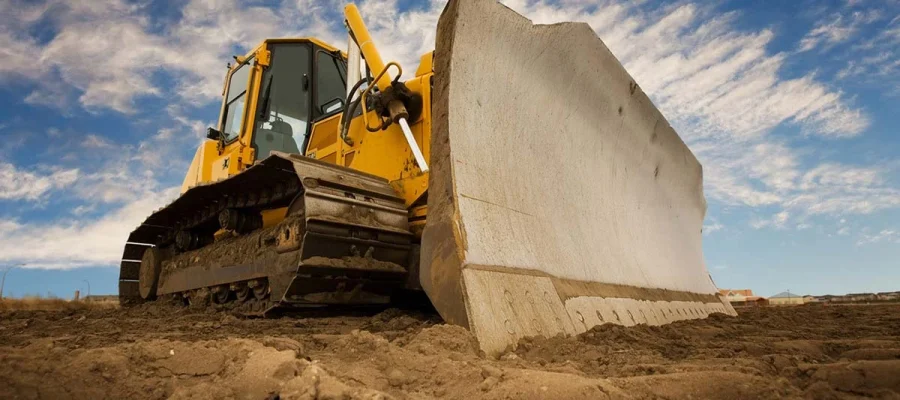
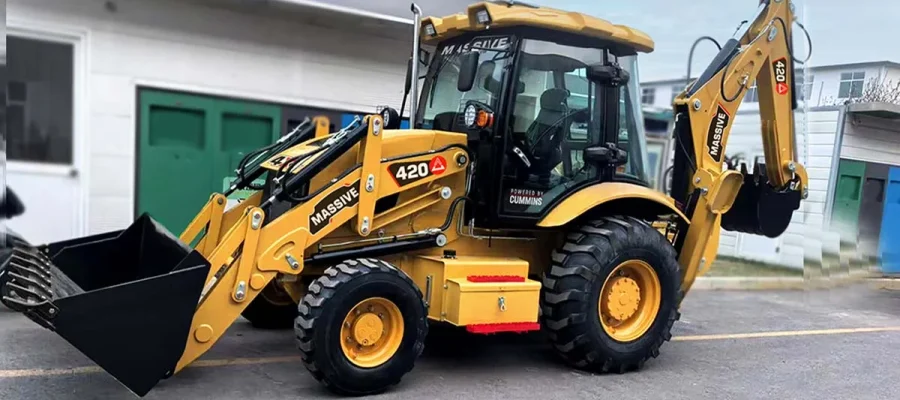
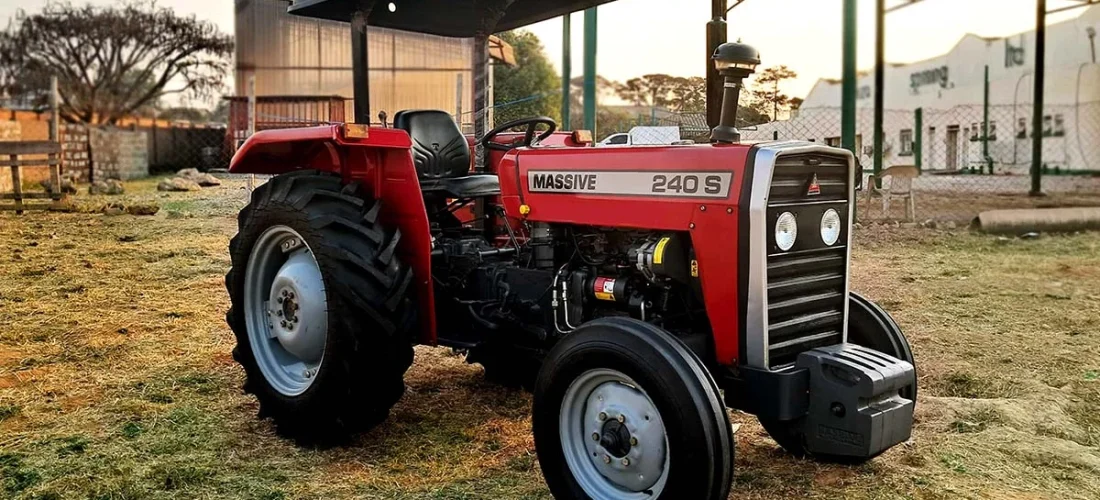
When discussing commercial agriculture, power is paramount. For farmers managing extensive plots of land in areas like Central Trinidad or the flatlands of the East, standard utility tractors are often not enough. This is where the range of Massive Tractors comes into play. These machines are engineered to handle the toughest tasks, from deep ploughing heavy clay soils to hauling massive loads of harvested crops.
Increasing Efficiency on Large Estates
The primary advantage of these large-scale machines is the sheer volume of work they can accomplish in a day. What would take a team of manual labourers weeks to complete can be finished in hours. For commercial farmers looking for tractors for sale in Trinidad and Tobago, reliability and horsepower are the top priorities.
Massive Tractors are designed with robust engines and high torque, allowing them to pull heavy implements such as disc harrows and rotavators with ease. This capability is essential for preparing land quickly before the rainy season sets in, ensuring that planting schedules are met without delay.
Durability in Tropical Conditions
Machinery used in the Caribbean must be built to withstand specific environmental factors. High humidity, intense heat, and sometimes difficult terrain can take a toll on inferior equipment. The heavy-duty tractors available through Tractor Corner are selected for their resilience. They feature efficient cooling systems and reinforced chassis structures, ensuring they remain operational season after season.
The Rise of the Walking Tractor
Not every farm in Trinidad and Tobago is a flat, sprawling estate. A significant portion of local agriculture takes place on smaller plots, often situated on hillsides or in valleys where large machinery simply cannot reach. For these farmers, the “two-wheel tractor,” commonly known as a walking tractor or hand tractor, is a game-changer.
Versatility for Smallholders
Hand tractors for sale in Trinidad and Tobago have become increasingly popular because they offer the perfect balance between manual labour and full mechanisation. These machines are operated by a user walking behind them, making them incredibly agile. They can navigate narrow rows of crops, turn in tight circles, and access areas that would bog down a heavier four-wheel vehicle.
Cost-Effective Mechanisation
For many small-scale farmers, the investment required for a full-sized tractor is out of reach. Walking tractors provide an affordable entry point into mechanised farming. Despite their smaller size, they are surprisingly powerful. They can be fitted with various attachments, including ploughs, water pumps, and trailers. This versatility means a farmer can use the same machine to till the soil in the morning and transport the harvest to the roadside in the afternoon.
Compacting Power: Small 4WD and Mini Tractors
Sitting comfortably between the heavy-duty giants and the pedestrian-operated units are the mini tractors. These machines are gaining traction among farmers who need the comfort and power of a ride-on unit but require a smaller footprint to navigate orchards or greenhouses.
Navigating Difficult Terrain
The topography in parts of Tobago and the Northern Range of Trinidad can be unforgiving. Muddy conditions and steep gradients require traction that standard two-wheel-drive vehicles cannot provide. This is why mini tractors for sale in Trinidad and Tobago are often equipped with four-wheel drive (4WD).
The 4WD capability ensures that power is distributed to all wheels, preventing slippage in wet conditions—a common occurrence in the tropics. This stability is crucial for safety and efficiency, allowing farmers to work the land even after heavy rainfall.
Ideal for Specialized Crops
Farmers growing crops like cocoa, citrus, or vegetables often plant in rows that are too narrow for standard tractors. A mini tractor fits perfectly in these spaces. They are powerful enough to run PTO-driven implements (like sprayers or mowers) yet light enough to minimise soil compaction. Compaction is a silent killer of crop yields, as it restricts root growth and water drainage. By using a lighter 4WD mini tractor, farmers can protect their soil structure while still benefiting from mechanised efficiency.
Choosing the Right Partner in Tractor Corner
Selecting the right machinery is only half the battle; maintaining it is the other. The agricultural community in Trinidad and Tobago relies on suppliers who understand the local context. Tractor Corner Trinidad has established itself as a pivotal resource by offering a diverse fleet that caters to the specific needs of the Caribbean farmer.
It is essential to look for a supplier that offers:
- Spare Parts Availability: Machinery will eventually need maintenance. Having local access to filters, belts, and engine parts minimizes downtime.
- Expert Advice: Matching the horsepower to the implement and the terrain is vital. Expert guidance ensures farmers do not buy a machine that is underpowered for their needs or waste money on features they will not use.
- Diverse Inventory: From hand tractors to massive heavy-duty units, having a range of options allows farmers to scale their operations over time.
The Future of Farming in the Caribbean
The shift towards mechanisation in Trinidad and Tobago is not just about making work easier; it is about survival and growth. As the demand for locally grown food increases to reduce the food import bill, farmers must adopt more efficient production methods.
By integrating the right equipment—be it a massive unit for broad-acre farming, a mini 4WD for the orchard, or a hand tractor for the hillside vegetable plot—producers can secure their livelihoods and contribute to the nation’s food security. The tools are available; it is now up to the agricultural community to seize them and cultivate a more prosperous future.
Related Posts